 REVIEWS.io - Rate us to Win Seeds
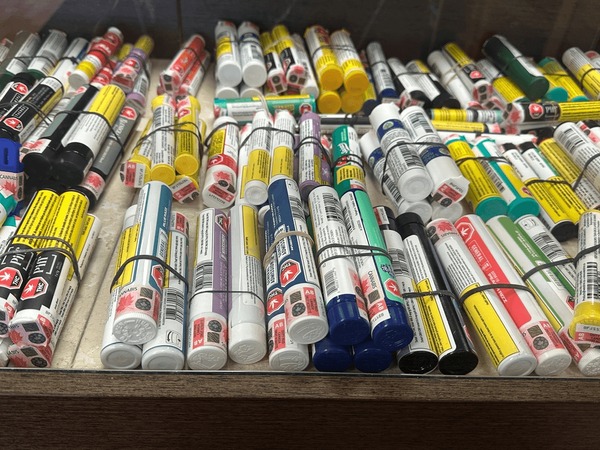
Cannabis seed packaging can be confusing due to the complex understanding of various legal contexts, as well as industry-wide standardisation factors. To understand cannabis seed packaging, the important step will be to focus on key labels, such as the strain name, genetics, seed type, THC/CBD content, and batch information. This label literacy is important for both beginners and experienced growers, and this is what this post will explore.
Why Cannabis Seed Labels Matter
Cannabis packaging labels are important because they often serve as a guarantee of seed quality, purity, and compliance with legal regulations. Labels also often provide essential information such as the strain type, expected potency, and viability, which ensures that you know what you are planting and can achieve predictable results.
Here is a list of key reasons that cannabis seed labels are important:
- Quality and Consistency: Labels ensure that seeds have met quality standards.
- Information for Growers: Labels inform you about the specific strain, including the expected cannabinoid profile, helping manage expectations with local regulations.
- Consumer Protection: Certification labels protect consumers from making subpar purchases.
- Legal Compliance: In different regions, it is legally required to be labelled correctly, and vendors can face penalties for faulty information.
- Informed Purchasing Decisions: Labels often help you choose the right seeds for your specific needs can help you achieve a successful and profitable harvest.
Understanding Strain Type Labels
Strain type labels offer a general idea of effects, including the THC and CBD ratios, or even the examination of the cannabinoid and terpene profiles for a more complete picture of the potential experience you may have. This information, therefore, can be an effective starting point for potential growers.
Here, let’s look into the different aspects that impact how the strain types are presented on cannabis labels:
Indica, Sativa, Hybrid
The first aspect on which the labelling depends is the type of cannabis strain. There are three primary categories in which the labels are classified. These include:
- Indica: The indica strain is typically associated with relaxing, body-focused effects, and can promote sleepiness.
- Sativa: The sativa strain is typically linked to less drowsiness and more uplifting, energising, and cerebral effects.
- Hybrid: A hybrid strain is a mix of both indica and sativa strains. However, the effect of the hybrid strains depends on which lineage is dominant.
To further explore the differences between the three strain types, here’s a chart:
| Strain Type | Growth Speed | Size | Light Cycle Requirement | Ideal For |
|---|---|---|---|---|
| Indica | Fast | Short/Bushy | 12/12 photoperiod | Small spaces, relaxing effects |
| Sativa | Slow | Tall | 12/12 photoperiod | Outdoor grows, energizing effects |
| Hybrid | Moderate | Varies | 12/12 photoperiod | Balanced traits |
Table 1: Strain Type Comparison
Autoflower vs. Photoperiod Seeds
Autoflower seeds are generally faster to harvest and require no light-cycle changes, which makes them ideal for beginners or small spaces, and they tend to produce smaller yields, while also responding poorly to repotting. Alternatively, the Photoperiod seeds require a change in the light cycle (from vegetative to flowering), and also offer the potential for higher yields, while also taking a longer time to mature.
Furthermore, on this basis, let’s look into a detailed account of the differences between the two types of seeds:
| Feature | Autoflower Seeds | Photoperiod Seeds |
|---|---|---|
| Flowering Trigger | Age-dependent (automatically starts flowering) | Light-dependent (starts when light hours decrease) |
| Yield | Generally smaller yields per plant | Potential for larger yields |
| Growth Cycle | Fast (around 10 weeks from germination to harvest) | Slower (vegetative stage can be extended) |
| Light Requirements | No light schedule change needed; requires consistent light | Requires a light cycle change to trigger flowering (e.g., from 18/6 to 12/12) |
| Best For | Beginners, quick harvests, smaller spaces, and SOG (Sea of Green) cultivation | Growers seeking higher yields, more control, and experienced cultivators |
Table 2: Autoflower vs. Photoperiod seeds
Therefore, as a grower, it will be extremely relevant for you to know the type of seeds you are growing. Your planting decisions, lighting schedules, and the objective of growing will all depend on the seed type. Therefore, this is a critical aspect to be mentioned on a label.
Seed Sex Labels: What “Feminised,” “Regular,” and “Auto” Actually Mean
Another important factor that impacts the labels on cannabis seed packaging is the seed sex. So, what does the seed sex impact for growers? Let’s look into that here:
- Feminised Seeds: The feminised seed label guarantees female plants. How does that impact growers? Some types of cannabis are consumed only as the bud. And for growers seeking only buds, feminised seeds are the perfect option.
- Regular Seeds: The cannabis seeds with the regular label contain both sexes, i.e., both male and female genetics. These are suitable for growers who are seeking breeding options for the cannabis plants they aim to grow.
- Auto Seeds: Auto seed labels imply autoflowering feminised seeds. Basically, these are similar to feminised seeds, but with a specific distinction, the autoflowering trait.
So, how can these aspects ideally work in the context of growers when reading cannabis jar labels? Here’s a chart exploring the seed sex types and their uses:
| Seed Type | % Female Plants | Best For | Notes |
|---|---|---|---|
| Feminised | ~99% | Beginners, flower production | No need to identify males |
| Regular | ~50% | Breeding, phenotype hunts | Requires sexing plants |
| Auto (Feminised) | ~99% | Fast harvests | Flower by age, not light cycle |
Table 3: Seed Sex Types & Their Uses
Decoding Genetic Lineage and Breeder Information
Genetic lineage is critical in cannabis growth because it determines the plant’s inherent characteristics, including cannabinoid and terpene profiles, directly affecting its potency, flavour, and potential effects. It also dictates growth patterns, yield potential, and the ability to resist pests and diseases, which are fundamental for a successful and consistent outcome for cultivation.
Moreover, here are some key aspects influenced by genetic lineage, and why it is a key factor in cannabis product packaging:
- Cannabinoid and Terpene Profiles: A strain’s genetics often control the specific levels of compounds such as THC. CBD, and various terpenes define its effects, flavour, and therapeutic potential.
- Growth and Yield: Genetics set the blueprint for a plant’s growth habits, including its flowering time and overall yield potential.
- Pest and Disease Resistance: A strain’s genetic makeup often impacts its natural ability to resist different diseases and pests. This is especially important for medicinal markets and brand recognition.
- Market Demands: Specific genetic makeup can impact how growers can tailor their crops to meet certain specific market demands, which may include high-THC content for recreational markets or focusing on specific terpene profiles that can influence the particular therapeutic effects as sought after by users.
Hence, when trying to understand how to read cannabis labels, exploring how these labels discuss the information on genetic lineage and breeding procedures becomes important.
Legal & Compliance Labels
Medicinal cannabis was legalised in the UK in November 2018, which makes it legal to prescribe for certain conditions if a doctor deems it clinically necessary. That is exactly what makes labels more important.
The labels represent the limit requirements for medicinal cannabis. These often include the prescribed dosage, THC or CBD percentage, and so on. These labels, therefore, address the legal and compliance needs when prescribing cannabis for medical purposes.
Summing Up
Growers of cannabis must keep track of the packaging and understand what is written on the labels. The packaging label helps choose better seeds, encourages the comparison of the labels across brands to meet the exact needs. Information, therefore, leads to successful results, be it for meeting grower needs or addressing the legal requirements.
Successful Cannabis Harvest? Make Sure to Read Labels!
Reading the label can be extremely relevant for growers when looking for the most suitable results. Therefore, if you are planning to grow cannabis plants in the UK, make sure not to miss out on the content of the label! This is especially true for medicinal cannabis to ensure dosage and content limitations. So, do not forget this one key step!
Frequently Asked Questions
Are the THC or CBD Percentages Mentioned on the Seed Packets What the Seeds Contain?
That is not actually the case. The seeds themselves generally contain negligible amounts of CBD or THC. The percentages listed are usually an estimate of the cannabinoid potential of the mature plant grown from the seed, assuming that the cultivation conditions are proper.
What is PLS, and Should I Be Concerned About It?
PLS or Pure Live Seed is a calculation of the actual number of viable seed in a batch. This is critical for industrial tags to determine the appropriate seeding rate. It is not that relevant for small-scale growers.
Is the Packaging Date on the Seed Packets Crucial for Cannabis Growers?
Yes. While seeds can remain viable for a certain period of time under ideal storage conditions, the packaging date can indicate a level of freshness. The more recent the date, the higher the germination rate.
What is Referred to as the Certificate of Analysis or COA?
A COA is a document from an independent, state-approved laboratory confirming the product’s cannabinoid or terpene content, verifying that it has passed contamination testing.